Motor Encoder
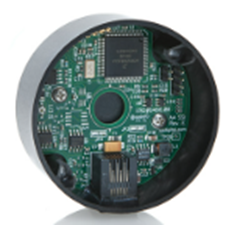
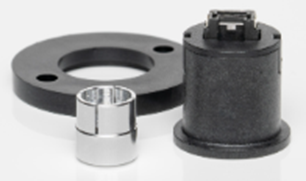
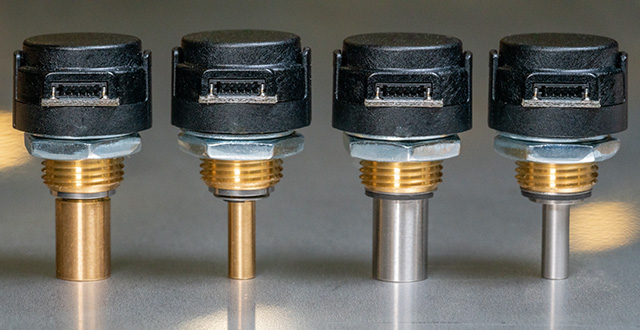
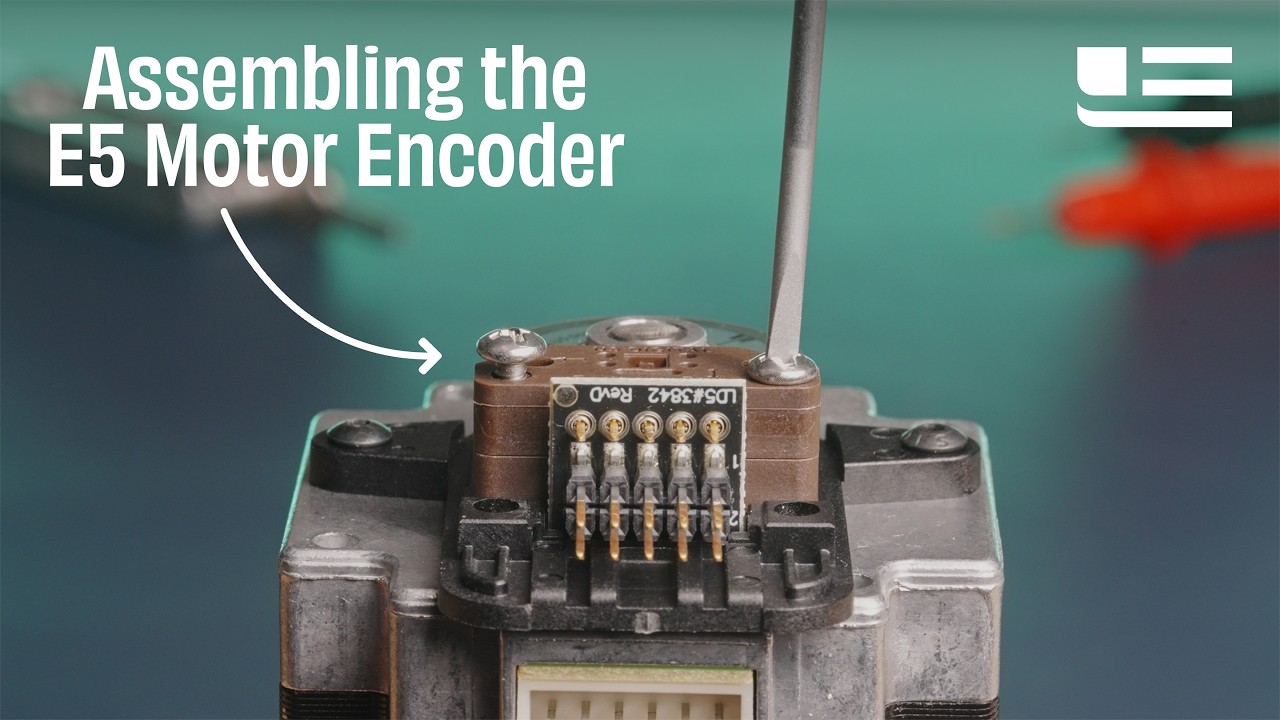
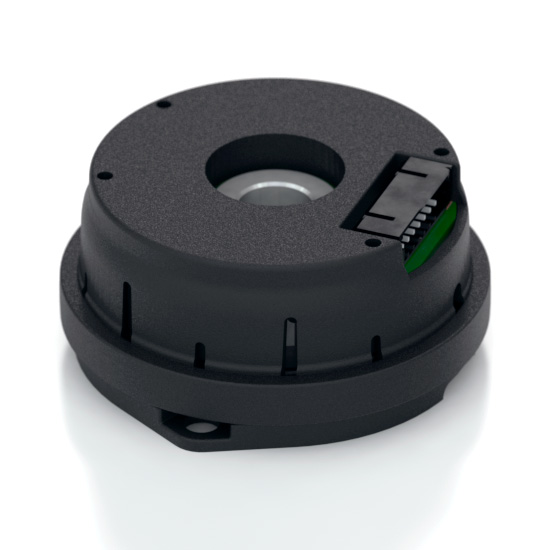
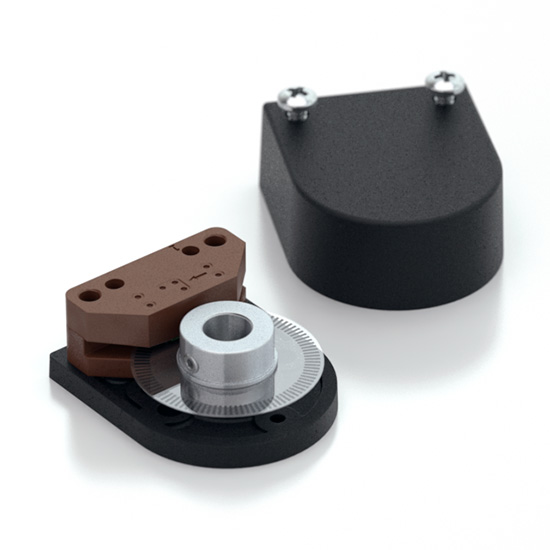
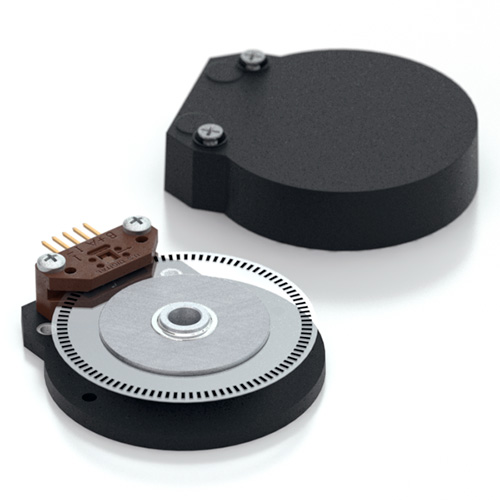
Motor encoders are rotary encoders designed for direct installation onto a motor shaft, providing feedback on position, speed, and direction for motion control applications. They are commonly used with servo motors, stepper motors, and BLDC motors in industrial automation and electromechanical systems.
US Digital motor encoders are available in incremental and absolute designs and support a range of output options, including single-ended, differential, analog, PWM, and commutation signals. Offered in multiple sizes and mounting configurations, these encoder kits are engineered for straightforward integration with common motor frame standards.
For a detailed explanation of how motor encoders work and the differences between encoder types, read our Motor Encoder guide.
Incremental Encoder
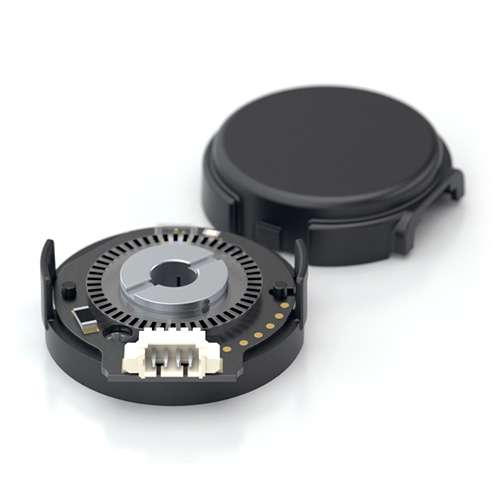
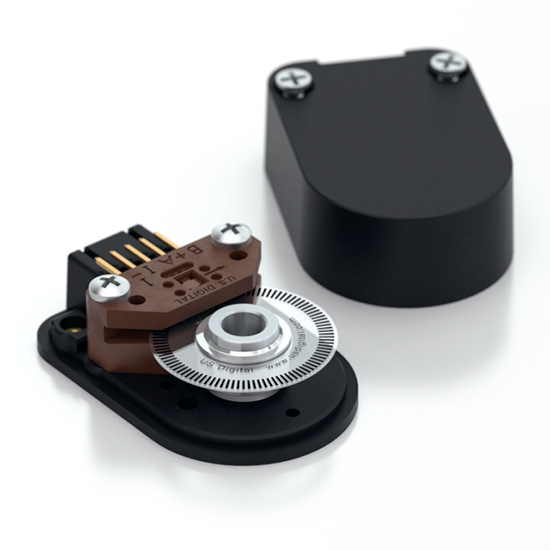
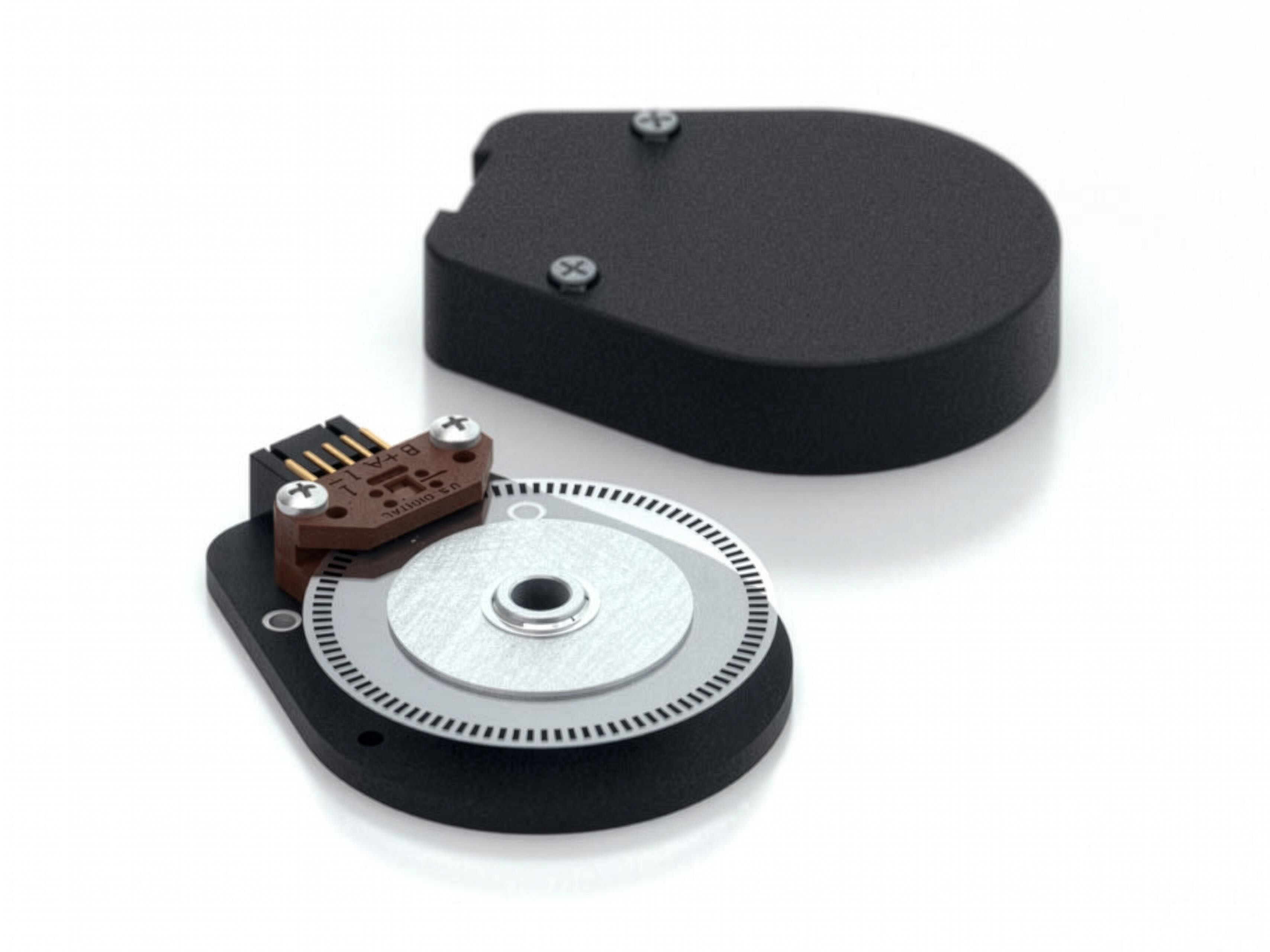
US Digital’s quadrature encoder kits serve a wide variety of applications. They support shaft sizes from as small as 1.5 mm to as large as 1 inch and are compatible with motor frame sizes from NEMA 6 to NEMA 34. Some are available with differential or open collector output and many have an index option.
Absolute Encoder
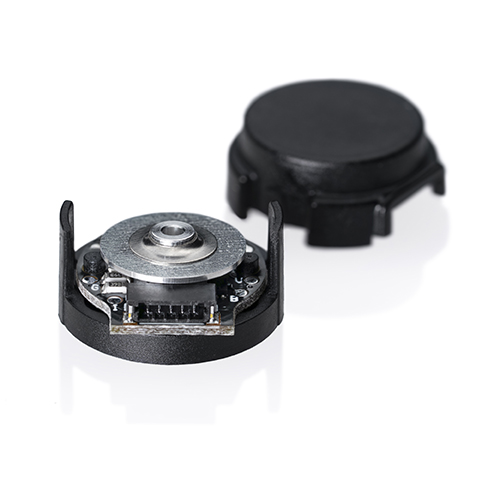
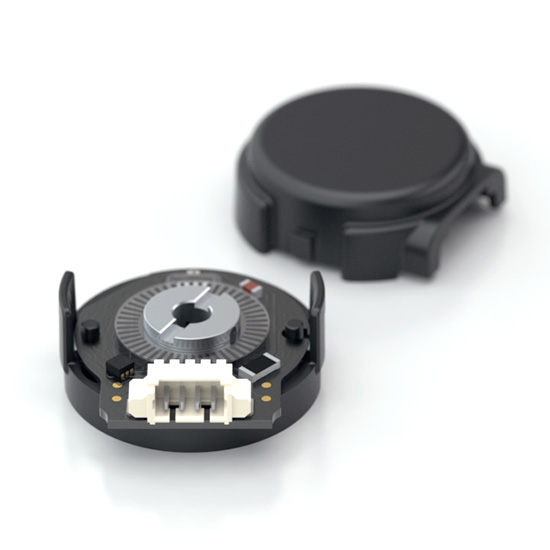
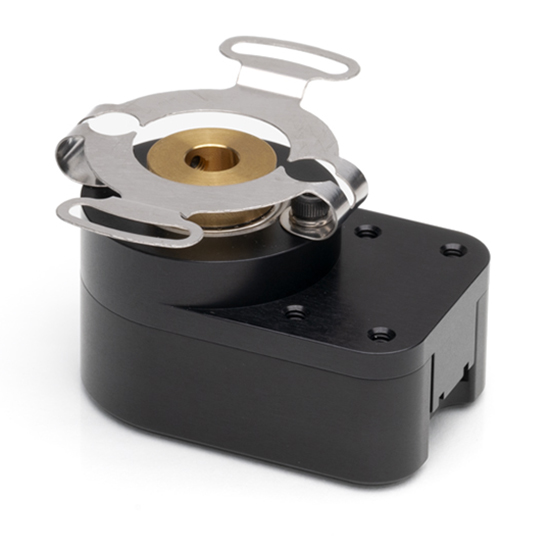
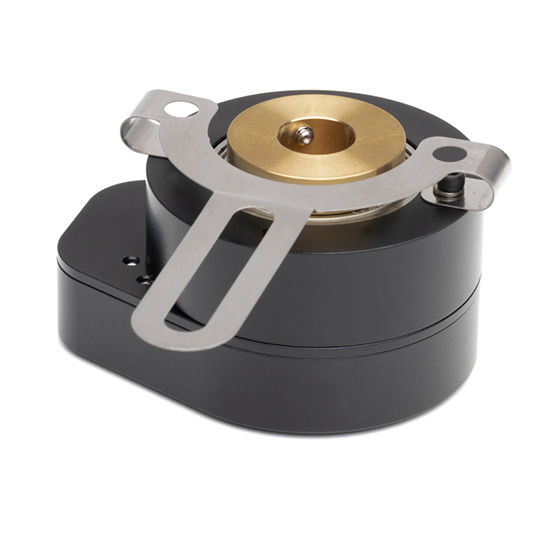
When you need to know shaft position immediately, even after a power cycle, check out US Digital’s Absolute encoders with 12-bit resolution. Some support shaft sizes from 2.0mm to 10.0mm diameters. Outputs include analog voltage, PWM, and US Digital’s SEI protocol.
Absolute |
|
|
|
Model Max Shaft Length | A2K Motor Encoder | MAE4 Motor Encoder |
|